The Quasar Quest: Illuminating the Universe's Oldest Beacons
Astronomy & Astrophysics
Astrophotography & Observational
Loading image...
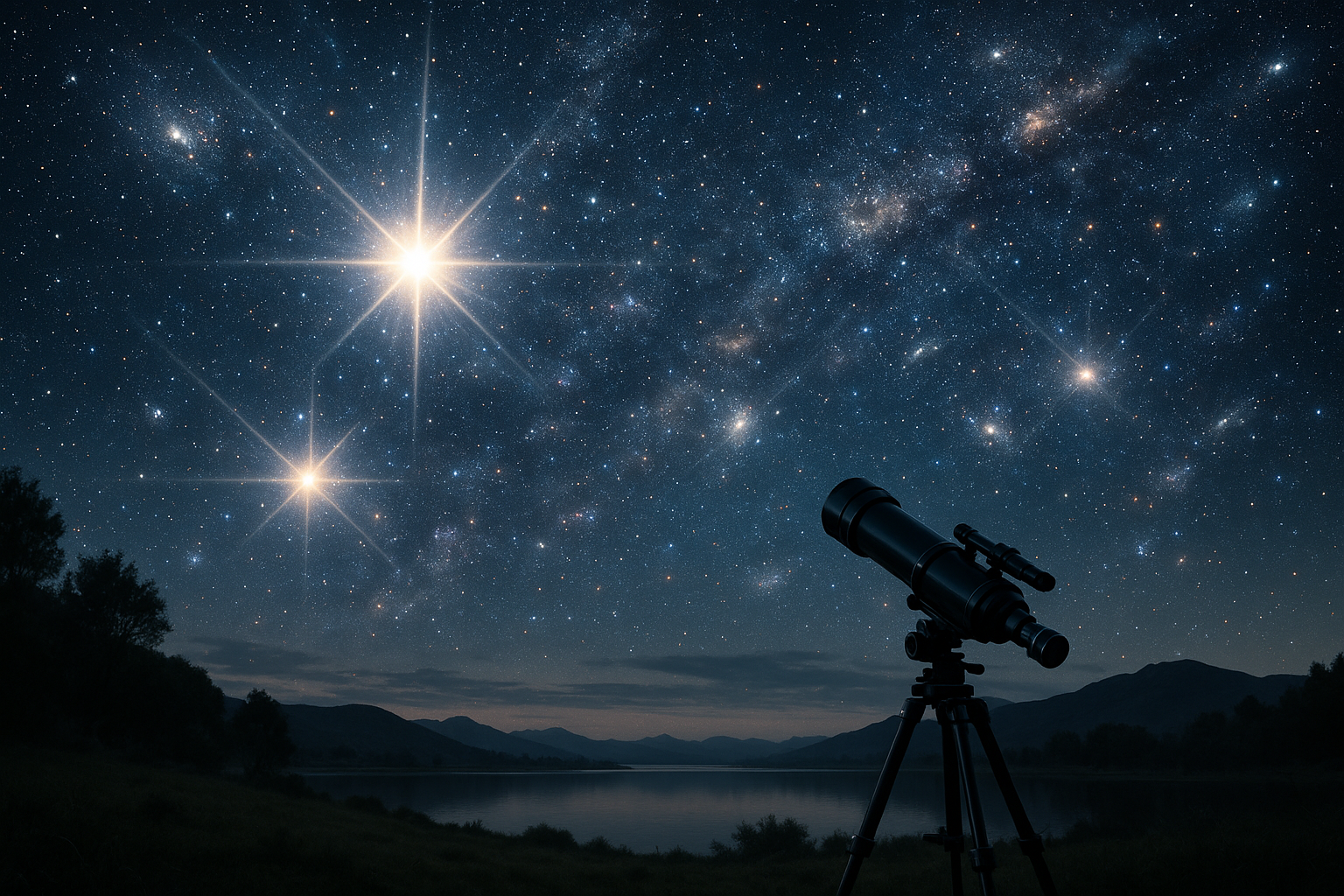
In the vast ocean of the cosmos, where galaxies twirl like dancers in a cosmic ballet, there exist peculiar beacons known as quasars. These astronomical oddities are not just clever names—think of them as the superheroes of the universe, donning capes of light and defying our understanding of physics. With their voracious appetite for feeding on surrounding matter, quasars emit more light than entire galaxies combined, making them the most luminous objects in the universe. So, grab your telescope or simply stargaze in May’s newfound warmth, and prepare to unravel the secrets of these enigmatic entities!
Historically, the discovery of quasars in the 1960s felt like opening a cosmic Pandora's box. Astronomers were absolutely flabbergasted to find that they were not just ordinary stars, but rather the powerhouses created by supermassive black holes at the center of galaxies. Imagine a cosmic donut shop where each quasar is a special order, sizzling with energy and sending beams of light across billions of light-years towards us. It’s like waiting for your coffee to brew—only this coffee is brewed from the remnants of ancient galaxies, essentially giving us a glimpse into the universe’s toddler years!
Fast forward to today, 2026, and the quest to understand these luminosities continues. With advanced telescopes, scientists can peel away the layers of mystery that shroud quasars. They act as time machines, flashing images of the universe when it was still in its formative stages—around 13 billion years ago! This means that each glimmer you see represents a tiny window back to when the universe was just a sprout, still figuring out how to grow!
What can we learn from our quasar cousins? Each one tells a story. They share the cosmic gossip of how galaxies formed and the role of black holes in shaping everything. Have you ever dropped a marble into a black hole, wondering how it twists reality? Quasars, with their intense gravitational forces, are the cosmic whirlpools that can distort light and time. It’s like trying to swim in a pool with a vigorous current while holding onto a rubber duck—challenging yet mesmerizing!
So, this month, let’s celebrate these galactic gems! Stargaze on a clear night, and while stars may seem serene and calm, remember that behind each twinkling point, there might be a quasar bustling with energy from eons past. Quasars remind us that the universe is not just a silent observer but a lively character in this grand play of existence. Stay curious, keep your eyes to the heavens, and perhaps one night, you may catch a glimpse of these celestial beacons shining brightly!
Historically, the discovery of quasars in the 1960s felt like opening a cosmic Pandora's box. Astronomers were absolutely flabbergasted to find that they were not just ordinary stars, but rather the powerhouses created by supermassive black holes at the center of galaxies. Imagine a cosmic donut shop where each quasar is a special order, sizzling with energy and sending beams of light across billions of light-years towards us. It’s like waiting for your coffee to brew—only this coffee is brewed from the remnants of ancient galaxies, essentially giving us a glimpse into the universe’s toddler years!
Fast forward to today, 2026, and the quest to understand these luminosities continues. With advanced telescopes, scientists can peel away the layers of mystery that shroud quasars. They act as time machines, flashing images of the universe when it was still in its formative stages—around 13 billion years ago! This means that each glimmer you see represents a tiny window back to when the universe was just a sprout, still figuring out how to grow!
What can we learn from our quasar cousins? Each one tells a story. They share the cosmic gossip of how galaxies formed and the role of black holes in shaping everything. Have you ever dropped a marble into a black hole, wondering how it twists reality? Quasars, with their intense gravitational forces, are the cosmic whirlpools that can distort light and time. It’s like trying to swim in a pool with a vigorous current while holding onto a rubber duck—challenging yet mesmerizing!
So, this month, let’s celebrate these galactic gems! Stargaze on a clear night, and while stars may seem serene and calm, remember that behind each twinkling point, there might be a quasar bustling with energy from eons past. Quasars remind us that the universe is not just a silent observer but a lively character in this grand play of existence. Stay curious, keep your eyes to the heavens, and perhaps one night, you may catch a glimpse of these celestial beacons shining brightly!