The Great Cosmic Canvas: Painting the Universe with Light
Astrophotography & Observational
Astronomy & Astrophysics
Loading image...
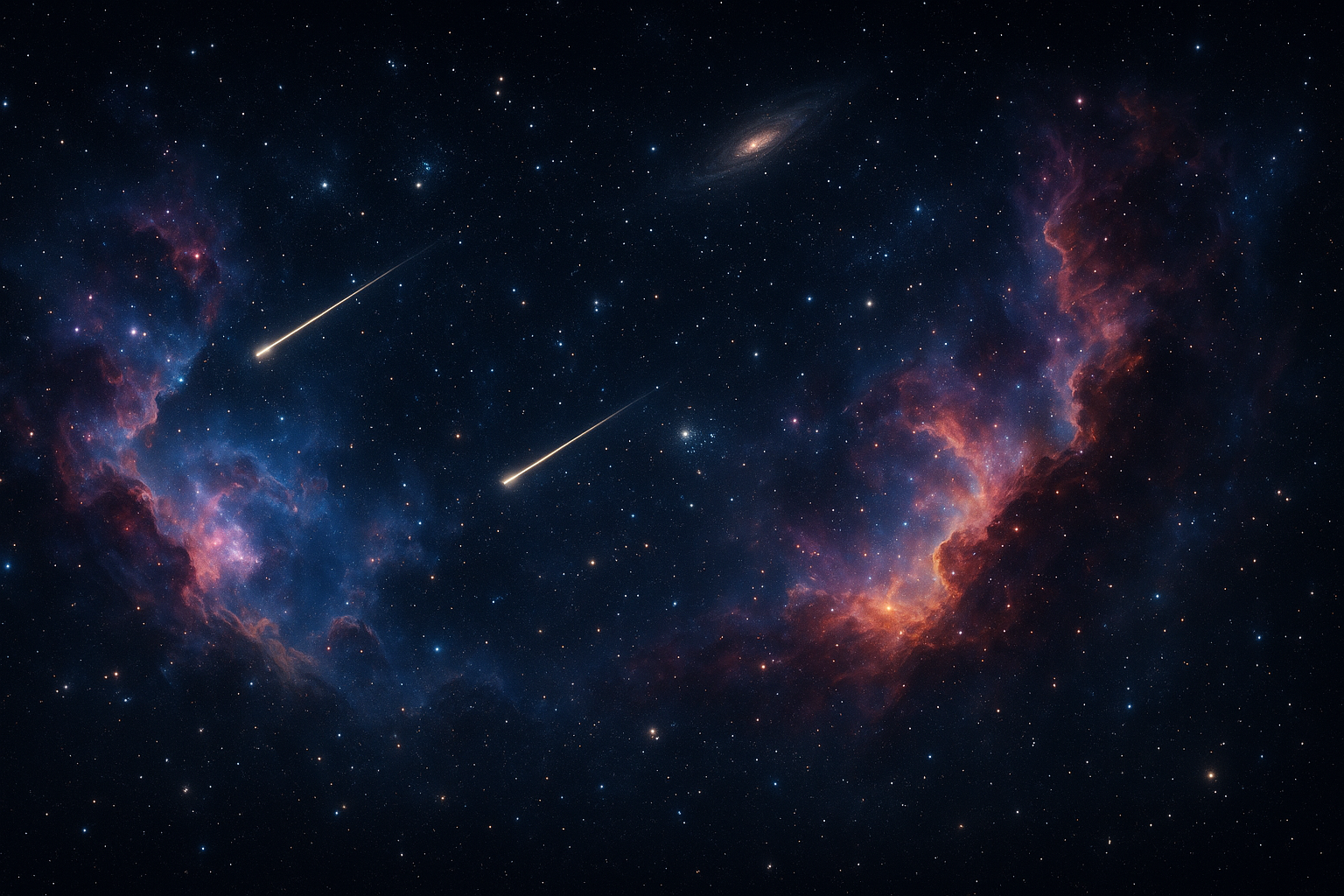
Imagine if the universe were an artist, wielding a brush dipped in starlight, painting a masterpiece across the cosmic canvas. It's March 2026, and as we peer into the darkness of space, we catch glimpses of the vibrant colors created by the celestial brush. Stars, nebulae, and galaxies are the shades on this vast palette, creating a spectacle that has intrigued humans since we first gazed at the night sky.
Light is the paint of the cosmos, and each hue tells a story. The fiery reds of a star's birth in a nebula speaks of chaos and creation, while the cool blues of a distant galaxy hint at the mysteries and vastness that lie beyond our reach. Just as any artist chooses their colors carefully, the photons that travel across galaxies have traveled billions of years to reach our eyes. This is the same light that helped ancient civilizations chart their calendars and navigate their lives—a true testament to the art of astronomy.
Not all artists work in the traditional sense. Some, like black holes, are the cosmic voids that consume light, creating stark contrasts in their surroundings. It's as if they had an accident with an entire pot of black paint, leaving a void that inspires equal parts fear and fascination. On the other hand, supernovae are the fireworks of the universe, exploding in a brilliant display that lights up the ether, reminding us that death can be beautiful too.
This March, as Earthlings, we can appreciate our place on this canvas by participating in the upcoming Lyrid meteor shower. Why not grab a blanket, find a dark spot, and take your senses on a cosmic journey? As meteors streak across the night sky, imagine them as the brush strokes of the universe, fleeting yet breathtaking. Every streak tells a tale of dust and gas that has traveled through the ages, a reminder of our connection to the cosmos.
So next time you gaze up at the night sky, remember: you’re looking at a masterpiece, one that continues to evolve, every star a dot of paint, every galaxy a sprawling scene. As we celebrate our cosmic art exhibit, let’s embrace both the science and the stories held within the light that surrounds us. Who knew that astronomy could turn out to be such a colorful affair?
Light is the paint of the cosmos, and each hue tells a story. The fiery reds of a star's birth in a nebula speaks of chaos and creation, while the cool blues of a distant galaxy hint at the mysteries and vastness that lie beyond our reach. Just as any artist chooses their colors carefully, the photons that travel across galaxies have traveled billions of years to reach our eyes. This is the same light that helped ancient civilizations chart their calendars and navigate their lives—a true testament to the art of astronomy.
Not all artists work in the traditional sense. Some, like black holes, are the cosmic voids that consume light, creating stark contrasts in their surroundings. It's as if they had an accident with an entire pot of black paint, leaving a void that inspires equal parts fear and fascination. On the other hand, supernovae are the fireworks of the universe, exploding in a brilliant display that lights up the ether, reminding us that death can be beautiful too.
This March, as Earthlings, we can appreciate our place on this canvas by participating in the upcoming Lyrid meteor shower. Why not grab a blanket, find a dark spot, and take your senses on a cosmic journey? As meteors streak across the night sky, imagine them as the brush strokes of the universe, fleeting yet breathtaking. Every streak tells a tale of dust and gas that has traveled through the ages, a reminder of our connection to the cosmos.
So next time you gaze up at the night sky, remember: you’re looking at a masterpiece, one that continues to evolve, every star a dot of paint, every galaxy a sprawling scene. As we celebrate our cosmic art exhibit, let’s embrace both the science and the stories held within the light that surrounds us. Who knew that astronomy could turn out to be such a colorful affair?