The Cosmic Garden: Pollinators of the Universe
Astrophotography & Observational
Astronomy & Astrophysics
Loading image...
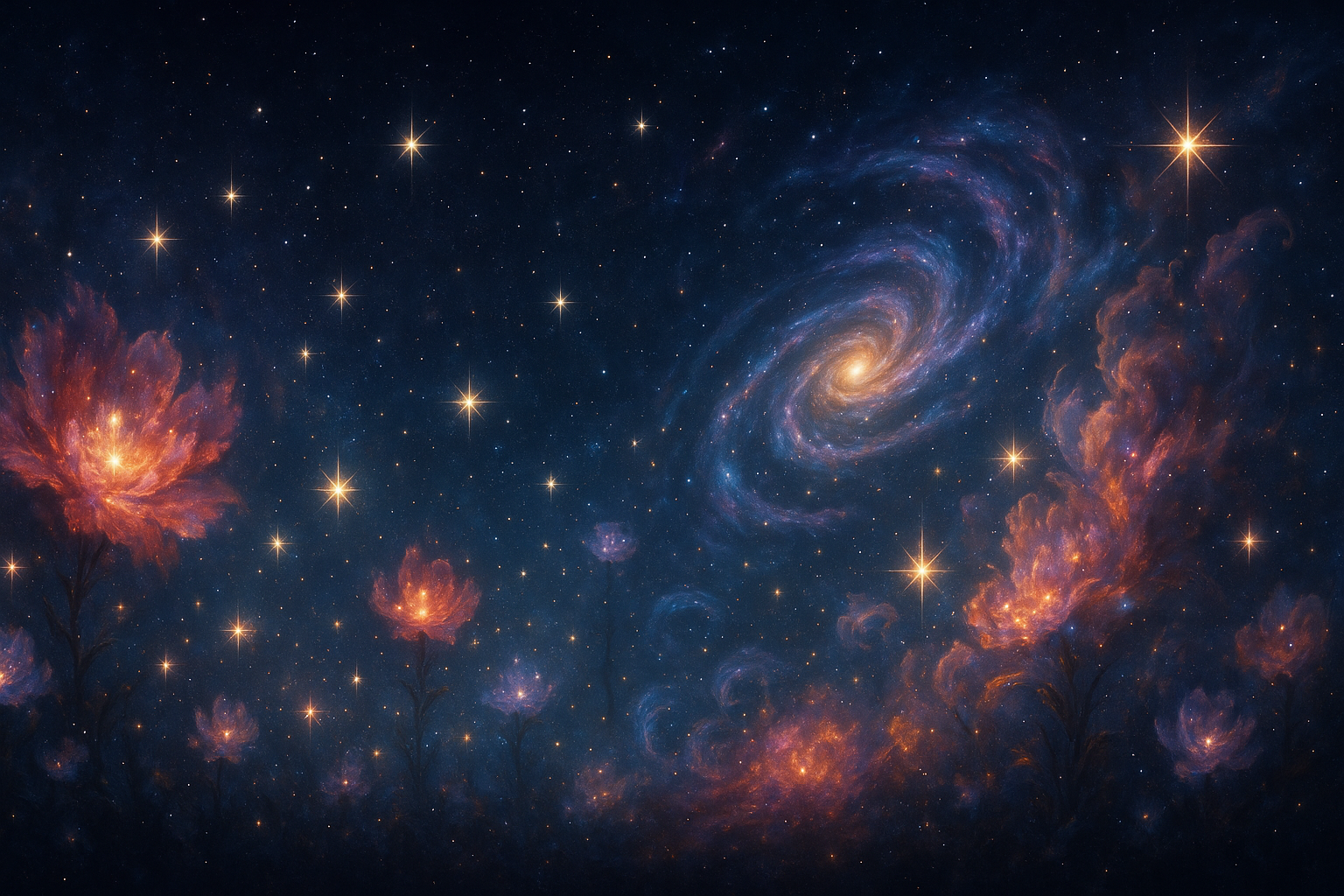
Have you ever wandered through a garden and marveled at the diversity of flowers? Each blossom, from the humble daisy to the regal rose, contributes to a symphony of life. Now, imagine a garden on an astronomical scale, where vibrant nebulae and swirling galaxies are like nature's breathtaking blooms. In this cosmic garden, stars sprout, galaxies intertwine, and dark matter acts as the gardener tending to the raw materials of the universe.
Just as bees flit from flower to flower, scientists explore the universe, looking for patterns and connections among celestial entities. In March 2026, when the night sky is particularly clear, amateur and professional astronomers alike are invited to join this quest. Grab your telescope (or even just your binoculars) and become a cosmic pollinator!
Not all gardening requires tools, however. Just as some flowers depend on the wind for pollination, cosmic events like supernovae scatter the fundamental building blocks of stars across the universe. These explosions sprinkle the galaxy with elements that will one day coalesce into new stars and planets, akin to seeds carried by the breeze.
But let’s not forget our cosmic gardeners—those scientists and astronomers who are unraveling the mysteries of dark matter. While it remains an enigma, it's like the secret sauce of our cosmic garden, holding everything together and helping new flowers bloom. Imagine telling the neighborhood kids that the secret to your garden’s success isn’t soil or sunlight, but an invisible force!
As we explore this remarkable garden in 2026, newfound observations will be akin to discovering rare flowers. Telescope records capture dazzling sights, such as the spectacular sight of the Orion Nebula glowing like the brightest bloom in our skies.
Next time you gaze up, consider this colossal floral arrangement where everything—big and small—interacts in harmonious chaos, with even the tiniest grains of stardust playing a role. Stick around, and you never know what amazing cosmic flower might burst forth next!
Just as bees flit from flower to flower, scientists explore the universe, looking for patterns and connections among celestial entities. In March 2026, when the night sky is particularly clear, amateur and professional astronomers alike are invited to join this quest. Grab your telescope (or even just your binoculars) and become a cosmic pollinator!
Not all gardening requires tools, however. Just as some flowers depend on the wind for pollination, cosmic events like supernovae scatter the fundamental building blocks of stars across the universe. These explosions sprinkle the galaxy with elements that will one day coalesce into new stars and planets, akin to seeds carried by the breeze.
But let’s not forget our cosmic gardeners—those scientists and astronomers who are unraveling the mysteries of dark matter. While it remains an enigma, it's like the secret sauce of our cosmic garden, holding everything together and helping new flowers bloom. Imagine telling the neighborhood kids that the secret to your garden’s success isn’t soil or sunlight, but an invisible force!
As we explore this remarkable garden in 2026, newfound observations will be akin to discovering rare flowers. Telescope records capture dazzling sights, such as the spectacular sight of the Orion Nebula glowing like the brightest bloom in our skies.
Next time you gaze up, consider this colossal floral arrangement where everything—big and small—interacts in harmonious chaos, with even the tiniest grains of stardust playing a role. Stick around, and you never know what amazing cosmic flower might burst forth next!