Galactic Whirl: The Dance of Spiral Galaxies
Astronomy & Astrophysics
Cosmology & Universe
Loading image...
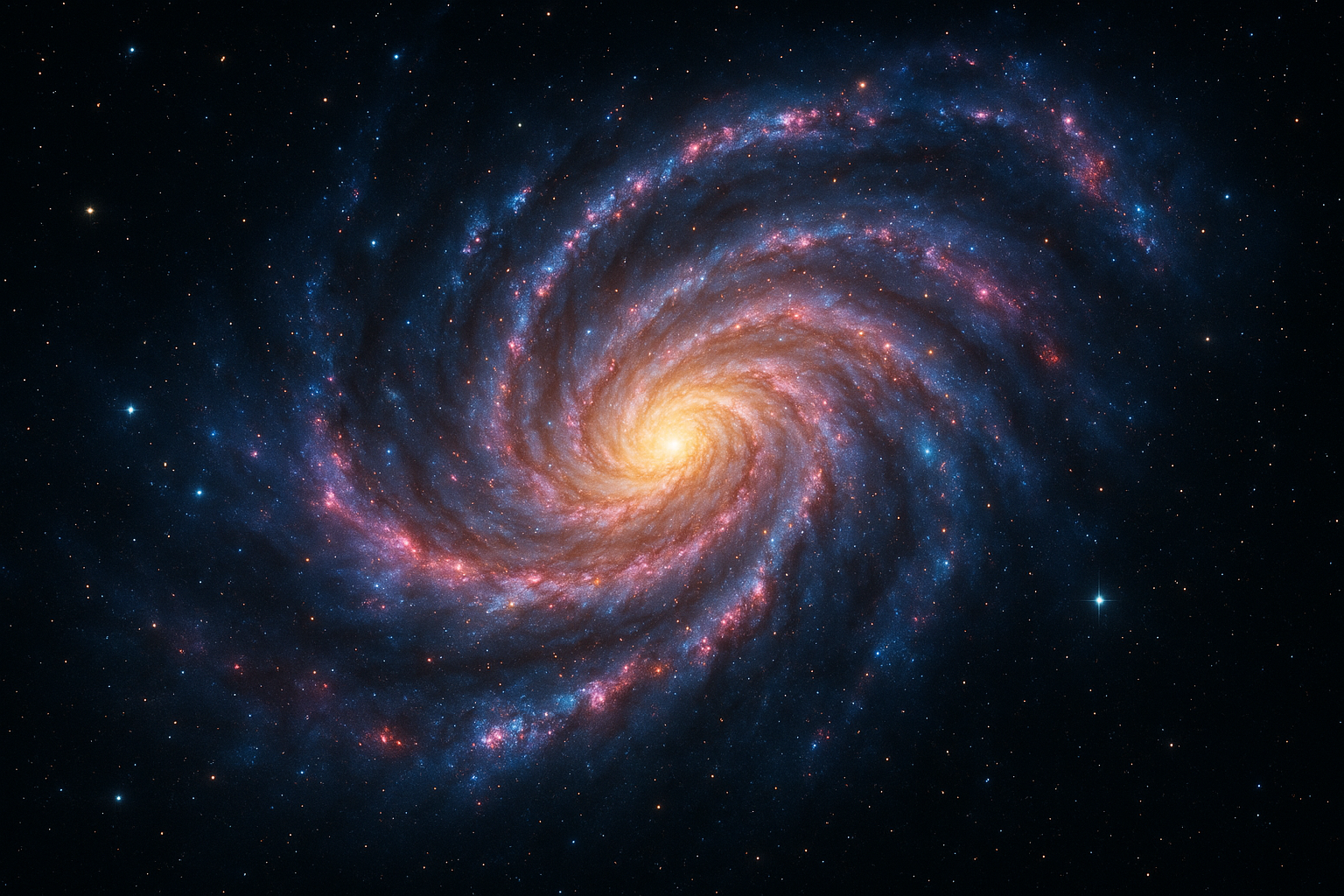
As we welcome January 2026, let's embark on a delightful journey through the universe and dive into the captivating world of spiral galaxies. Like celestial pinwheels, these magnificent structures spin and twirl through the cosmos, captivating the hearts of astronomers and stargazers alike. Imagine a cosmic party where each galaxy is a dancer, swirling in a galaxy-wide ballroom under the watchful eyes of billions of stars!
Spiral galaxies, with their elegant arms extending outward, seem to beckon us closer to uncover their vibrant secrets. The Milky Way, our home galaxy, is one of them, showcasing the classic structure that holds a stunning array of stars, nebulae, and maybe even that pizza we lost during last month’s cosmic gathering. But don't let their beauty fool you—these galaxies are complex ecosystems, brimming with stellar nurseries where young stars are born, and intersections where old stars gracefully fade away.
What makes spiral galaxies truly fascinating is not just their striking appearance, but their unique dance with dark matter. Picture dark matter as the shy partner, weaving through the dance floor, guiding and holding the galaxies together, even if it remains largely invisible to our eyes. This unseen force plays a vital role, helping us understand the makeup of the universe.
As we gaze at these spiraled wonders, scientists continue to unveil their mysteries. With telescopes like the James Webb Space Telescope, we are peering deeper into the fractal patterns of the cosmos, unlocking the secrets of their formation and evolution. Who knew our intergalactic ball would keep expanding? When the universe spins its tales, it’s a glorious reminder of our own cosmic journey.
So grab your telescope or even a pair of binoculars and join the party! You never know, in this grand galactic fiesta, you might just spot a waltzing star or two, or even wave to that notorious dark matter lurking in the corners. With every glance at our spiral neighbors, we are not just observing the past but also taking part in a tale that is still being written, one stellar twist at a time.
Spiral galaxies, with their elegant arms extending outward, seem to beckon us closer to uncover their vibrant secrets. The Milky Way, our home galaxy, is one of them, showcasing the classic structure that holds a stunning array of stars, nebulae, and maybe even that pizza we lost during last month’s cosmic gathering. But don't let their beauty fool you—these galaxies are complex ecosystems, brimming with stellar nurseries where young stars are born, and intersections where old stars gracefully fade away.
What makes spiral galaxies truly fascinating is not just their striking appearance, but their unique dance with dark matter. Picture dark matter as the shy partner, weaving through the dance floor, guiding and holding the galaxies together, even if it remains largely invisible to our eyes. This unseen force plays a vital role, helping us understand the makeup of the universe.
As we gaze at these spiraled wonders, scientists continue to unveil their mysteries. With telescopes like the James Webb Space Telescope, we are peering deeper into the fractal patterns of the cosmos, unlocking the secrets of their formation and evolution. Who knew our intergalactic ball would keep expanding? When the universe spins its tales, it’s a glorious reminder of our own cosmic journey.
So grab your telescope or even a pair of binoculars and join the party! You never know, in this grand galactic fiesta, you might just spot a waltzing star or two, or even wave to that notorious dark matter lurking in the corners. With every glance at our spiral neighbors, we are not just observing the past but also taking part in a tale that is still being written, one stellar twist at a time.