Chasing Shadows: The Mysterious Lives of Exoplanets
Space Exploration
Astronomy & Astrophysics
Loading image...
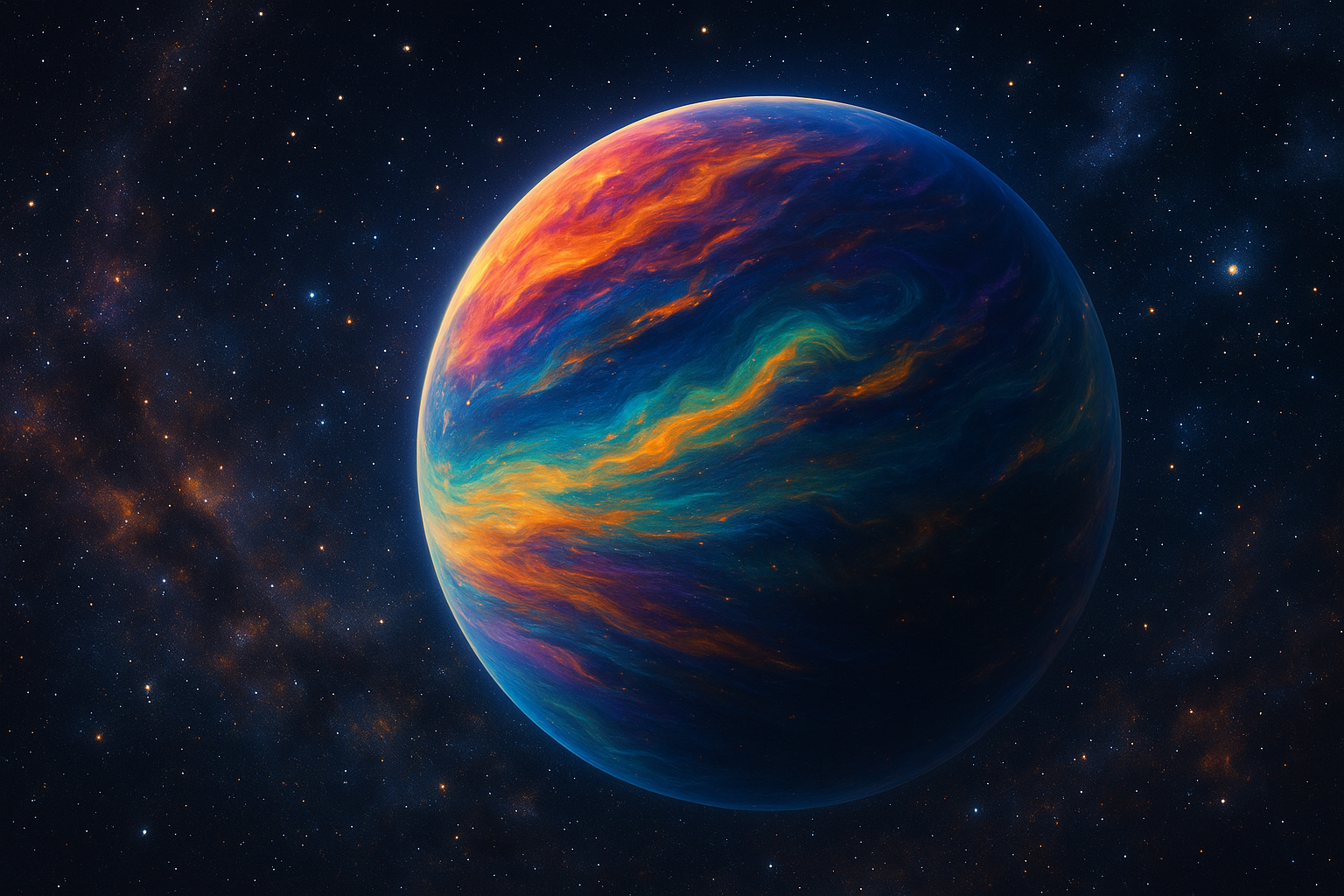
As February 2026 unfolds, a little birdie—or should I say, a little telescope—whispers of strange and wondrous worlds beyond our solar system. Welcome to the zany world of exoplanets, where each celestial body spins its own tale, like characters in a theatrical production directed by the universe itself.
Imagine putting on your favorite pair of space shoes and gate-crashing a cosmic party. Out there, exoplanets swirl around distant stars, each one with its own atmosphere (or lack thereof), climate, and perhaps even aliens hosting their own version of a galaxy-wide dinner party. Some are hot enough to fry an egg on, while others are chilly enough to make you think twice about wearing your favorite space hoodie.
But what’s truly wild is the variety! From the steamy, innermost scorcher, WASP-121b, where temperatures soar higher than your average furnace, to the frigid depths of LHS 3844b, a rocky wonderland that could make even the hardiest of humans shiver. Scientists surmise that LHS 3844b might not have an atmosphere at all. Talk about a party without the decorations!
February is an exciting time in the field of exoplanet research, especially with the James Webb Space Telescope on the case. This marvel of modern engineering peeks at these distant worlds, revealing their atmospheres like a magician unveiling their tricks. Researchers are now determining the composition of these atmospheres, seeking signs of water, clouds, and perhaps even indications of life. Imagine telling your friends at a virtual pub quiz later that you were one of the first to discover a “potentially habitable” exoplanet! What a plot twist!
As we embark on this journey through time and space, let’s not forget our old friends—the dwarf planets and gas giants of our solar system. They’re like the weird uncles at the family reunion—an essential part of the story, yet everyone is secretly glad they’re not in the spotlight. But really, who can blame them for being a little jealous of all the cool kids taunting them from afar?
So, as you cozy up under the night sky this February, pondering the fate of rogue planets wandering aimlessly in the cosmos, remember that with every astronomical discovery, we edge a bit closer to unlocking the mysteries of the universe. Keep your eyes to the heavens and your mind open; you never know what wonders await us amongst the stars!
Imagine putting on your favorite pair of space shoes and gate-crashing a cosmic party. Out there, exoplanets swirl around distant stars, each one with its own atmosphere (or lack thereof), climate, and perhaps even aliens hosting their own version of a galaxy-wide dinner party. Some are hot enough to fry an egg on, while others are chilly enough to make you think twice about wearing your favorite space hoodie.
But what’s truly wild is the variety! From the steamy, innermost scorcher, WASP-121b, where temperatures soar higher than your average furnace, to the frigid depths of LHS 3844b, a rocky wonderland that could make even the hardiest of humans shiver. Scientists surmise that LHS 3844b might not have an atmosphere at all. Talk about a party without the decorations!
February is an exciting time in the field of exoplanet research, especially with the James Webb Space Telescope on the case. This marvel of modern engineering peeks at these distant worlds, revealing their atmospheres like a magician unveiling their tricks. Researchers are now determining the composition of these atmospheres, seeking signs of water, clouds, and perhaps even indications of life. Imagine telling your friends at a virtual pub quiz later that you were one of the first to discover a “potentially habitable” exoplanet! What a plot twist!
As we embark on this journey through time and space, let’s not forget our old friends—the dwarf planets and gas giants of our solar system. They’re like the weird uncles at the family reunion—an essential part of the story, yet everyone is secretly glad they’re not in the spotlight. But really, who can blame them for being a little jealous of all the cool kids taunting them from afar?
So, as you cozy up under the night sky this February, pondering the fate of rogue planets wandering aimlessly in the cosmos, remember that with every astronomical discovery, we edge a bit closer to unlocking the mysteries of the universe. Keep your eyes to the heavens and your mind open; you never know what wonders await us amongst the stars!